








































By Tamara L. Young, PhD, Public Information Director for the World’s Luckiest Fishing Village
As hurricane season begins along the Gulf Coast, I sat down with Mayor Bobby Wagner for a conversation about hurricane preparedness, City planning, and what citizens can do now to protect themselves and their families.
TY: Hurricane Season in Destin, and throughout the Atlantic and Gulf Coast, runs from June 1st–November 30th. Every year we encourage residents to prepare early for hurricane season, but many people still wait until there’s a storm on the radar. Or maybe they have been eating on their hurricane snack stash all year long (guilty as charged). But seriously, why is early preparation so important?
BW: Once a storm is approaching, time becomes limited very quickly. Stores run low, gas stations get crowded, and anxiety rises. Preparing early lets families think clearly rather than react under pressure. And remember, preparedness isn’t just about supplies. It’s about having a plan. Know where you’d go if an evacuation were ordered, and keep in mind you don’t have to go far to get out of harm’s way. Also, make sure your family knows how to communicate if cell service goes down. Those conversations matter and having them now makes all the difference later.
TY: Some folks get confused between a hurricane watch and a hurricane warning. A hurricane watch means hurricane conditions are possible in our area. A hurricane warning means those dangerous conditions are expected. That distinction is important because once a warning is issued, residents should already be finishing preparations and following official guidance closely. There’s no extra time at this point to prepare. Storms can shift quickly. Even if Destin isn’t directly in the center of the forecast cone, impacts like flooding, tornadoes, storm surge, and power outages can still occur.
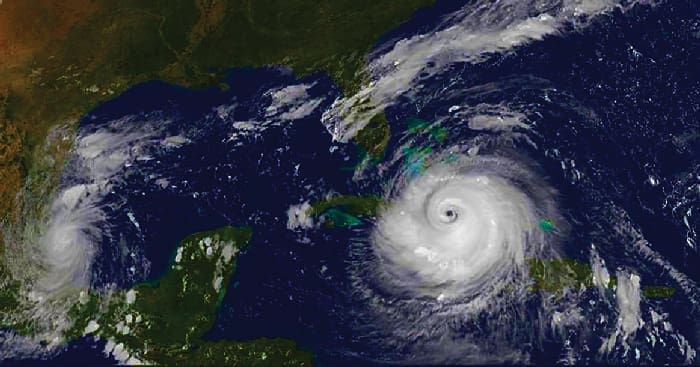
BW: That’s such an important point! We’ve had storms in the past where the projected track was hundreds of miles away from Destin, yet we still experienced significant impacts. The forecast cone shows where the storm’s center may track, but hurricanes are enormous systems, and their effects extend far beyond that line. I’d encourage every resident to follow the National Weather Service, the National Hurricane Center, and our local emergency management officials directly rather than relying solely on social media for updates. Accurate information is one of the most valuable tools you can have during a storm.
TY: One of the biggest dangers we often talk about is flooding and storm surge. Why do you think that gets underestimated?
BW: Most people focus on wind speed because that’s how we categorize the storm and what weather stations talk about most while it’s crossing the water. But water poses the greatest danger. Destin and our neighbors to the east and west are literally built on a sandbar, and storm surge is what’s most dangerous to human life and most damaging to our community. Surge and flash flooding can turn life-threatening very quickly, especially in low-lying areas. Residents should know their evacuation zone and never drive through flooded roadways. Even shallow water can be dangerous.
TY: What are some practical things every household should have ready before hurricane season reaches its peak?
BW: Every family should have enough supplies to be self-sufficient for at least seven days. That includes water, nonperishable food, medications, flashlights, batteries, pet supplies, and important documents stored safely. I’d also encourage people to think beyond the basics. Charge backup battery packs in advance, fuel vehicles early, and check on neighbors who may need assistance. Hurricane preparedness is about having yourself, your family, and your neighbors ready.
TY: Recently, the City’s Director of Public Works, City Engineer, and myself attended Okaloosa County’s Hurricane Simulation Exercise alongside other emergency management partners. Those exercises help strengthen coordination, improve communication, and ensure we’re prepared to respond quickly if our community needs assistance during a storm event. The County does a great job preparing these simulations and sessions.
BW: Those exercises are incredibly valuable, and I’m grateful our team continues to take part in them. Emergency response is only as strong as the relationships and communication built before a storm ever forms. When our staff sits down with County partners, first responders, utility providers, and neighboring municipalities to walk through realistic scenarios, it sharpens everyone’s response and exposes any gaps we may need to address. Residents should feel confident knowing that the City of Destin and Okaloosa County work hand-in-hand throughout the year.
TY: The City also publishes a Hurricane Guide each year, which includes evacuation information, emergency contacts, supply checklists, shelter information, and preparedness tips for residents and businesses. Residents can view the Guide on our website (www.cityofdestin.com). There are a lot of great tips within it, and I especially think how the zones for evacuation work are helpful.
BW: I really encourage every household to take a few minutes to look through it. It’s designed to be a one-stop resource so residents don’t have to go searching across multiple websites when time matters most. Whether you’re a longtime resident or brand new to Destin, the Guide pulls together the information you need to make informed decisions for your family and your property.
TY: If people prefer a hard copy of the Guide, we also have those available at City Hall. On a lighter note, the Guide also includes over 20 potential storm names. We even have a “Dolly” this year!
BW: While I love Dolly Parton…Let’s hope Dolly, the hurricane, stays far away from the Emerald Coast! In all seriousness, the storm names are a good reminder that hurricane season is a long one, and we shouldn’t let our guard down just because the early months are quiet. The most important thing residents can do is stay informed, stay prepared, and look out for one another. If we do those three things, Destin will continue to be one of the most resilient communities on the Gulf.