






































By Rachel Coggins
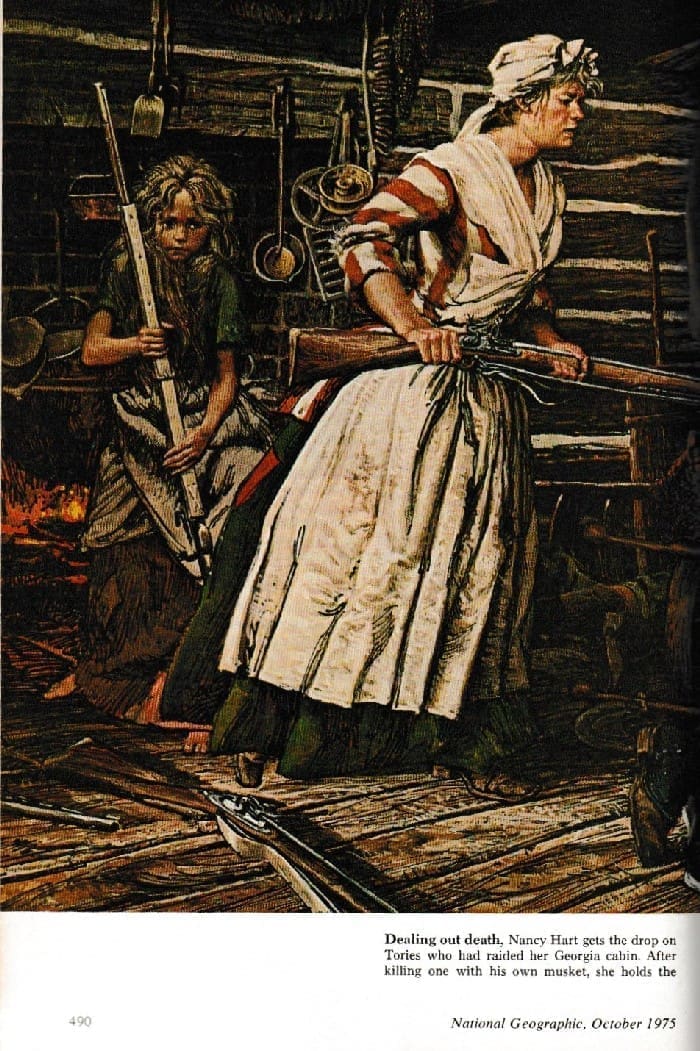
A framed picture torn from an October 1975 issue of National Geographic hung above my desk. It showed a feisty and courageous woman—Revolutionary War hero Nancy Hart. Her story was told in an article titled “Women of the Revolution: Patriots in Petticoats.”
The image was of a painting that hangs in the Hart County Historical Museum in Hartwell, Georgia, where a county, a lake, a highway, and a park are named in her honor. Dressed in the simple apron and long skirt of the late 1770s, Nancy stands with a determined expression, gripping a rifle while her young daughter, Sukey, stands behind her holding another rifle.
Five Tories forced their way into Nancy Hart’s cabin after killing her neighbor and friend, Colonel John Dooley. Their intention was to do the same to her husband, Benjamin Hart, a lieutenant in the Georgia Patriot militia, and the group of militiamen accompanying him.
Her image challenged me and reminded me that women have always played an important role in defending our nation’s liberty. Years later, while deployed during war, I found myself needing that reminder—and her courage.
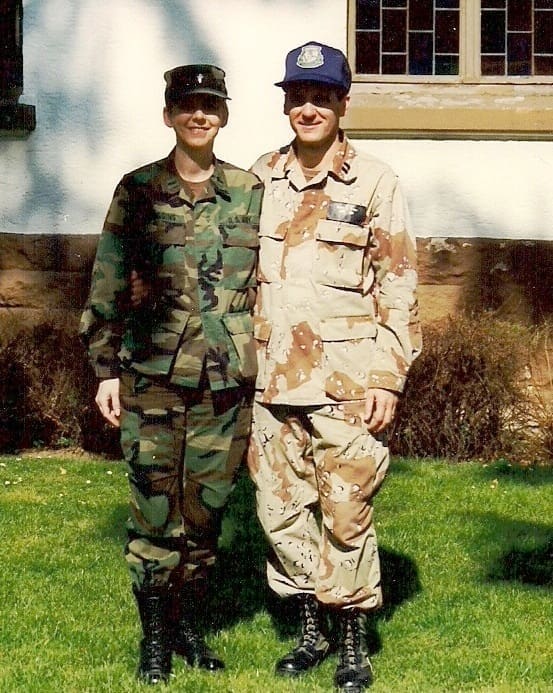
I joined the Army Reserves as a chaplain in December 1989. One year later I was called to active duty during Operation Desert Storm. As a young First Lieutenant, there was much to learn. Soon I was sent to Aschaffenburg, Germany, where most of the soldiers from the base had already deployed to the front lines of the war in Iraq, their tanks ready for battle. Left behind were the wives and children of those sent forward, a few support personnel, and a handful of soldiers. It was a formidable time. I understood the fears of the families because I, too, was the wife of a deployed military member.
Organizing assistance for the women was left largely to the commanders’ wives, who sought me out for counsel and spiritual direction. It was a time to be creative and decisive as we navigated unfamiliar territory. Thousands of families had been left behind in a foreign country, and the need for support was great.
Command put me in the men’s dormitory. There was plenty of room since the men were all gone. As I unlocked the creaking front door and stepped into the semi-dark foyer of the two-story building, echoes in the empty building mirrored the loneliness in my heart.
I quickly closed the door and relocked it. Then I walked down the dark hallway to my room and locked that door behind me as well—a clear reminder that I was on my own and needed to be brave.
In the stillness of an early morning walk through darkness and falling snow, I arrived at a beautiful old German church that served as the base chapel. Unlocking the massive carved wooden door, I entered and walked through the sanctuary toward my office in the back.
I would pause to sing praises and enjoy the marvelous reverberation that filled the stone church—an acoustic marvel designed to amplify the beauty of the human voice. Settling into my office, my task was to write words of inspiration and encouragement to those left behind, whose fear was palpable as their husbands faced grave danger.
The supplemental training I received included how to conduct death notifications. We were preparing for the possibility of large casualties, and the person to tell a wife that her husband had been killed was an officer accompanied by a chaplain. The possibility weighed heavily on me. “Oh Lord, help me,” I prayed as I leaned back hard in my chair.
That’s when I looked up at Nancy’s picture and pondered the rest of the story.
The Loyalists shot her last turkey and demanded that she cook it for them. Nancy, with a coy demeanor, stoked the fire and pulled out a jug of corn liquor. Gradually, the warm fire, the food, and the drink worked their magic while Nancy served the men. Edging closer, she quietly wrapped her long skirt around the muskets propped beside their chairs and carried them away, hiding them out of reach.
Eventually she was discovered. Nancy grabbed one of the muskets and fired, killing the soldier who rushed toward her and wounding another. Seizing another musket, she held the remaining Loyalists at bay until her husband and his band of militiamen returned. When they arrived, Benjamin suggested the prisoners be shot. Nancy, as I like to tell the story, replied, “Shootin’s too good for them. Let’s hang ’em!” And they did—in her backyard.
Sitting alone in the quiet church, Nancy challenged me to believe that women are courageous. As I labored under the weight of responsibility, Nancy stood guard, rifle in hand. My task was challenging, but by the grace of God and the incredible legacy passed on to me, I would do it—and I would do it well.
I could not disappoint Nancy Hart. She was more than a hero to me. My research revealed she was my fifth-great-grandmother—and I was not going to let her down.
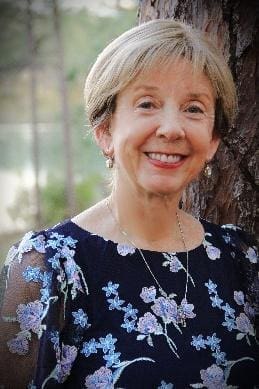
Rachel Coggins served 25 years as an Army Reserve Chaplain, deploying four times in support of America’s military missions. Her book Gateway to Iraq: A Chaplain’s Story, captures one of those deployments, offering a heartfelt, ground-level look at the courage, struggles, and faith of the men and women she served alongside.
Rachel and her husband now live in Navarre, where they remain active in church, community, and missions. They enjoy gardening, raising chickens, and hosting friends. Rachel writes to help readers encounter faith, history, and hope.