








































Reflections from the Florida League of Cities Conference With Mayor Bobby and Dr. T, Public Information Director for the World’s Luckiest Fishing Village
Destin Mayor Bobby Wagner recently returned from the Florida League of Cities (FLC) Annual Conference, held August 13–15 at The Diplomat Beach Resort. The three-day gathering brought together municipal officials from across the state for workshops, ethics training, and conversations about the future of Florida’s cities.
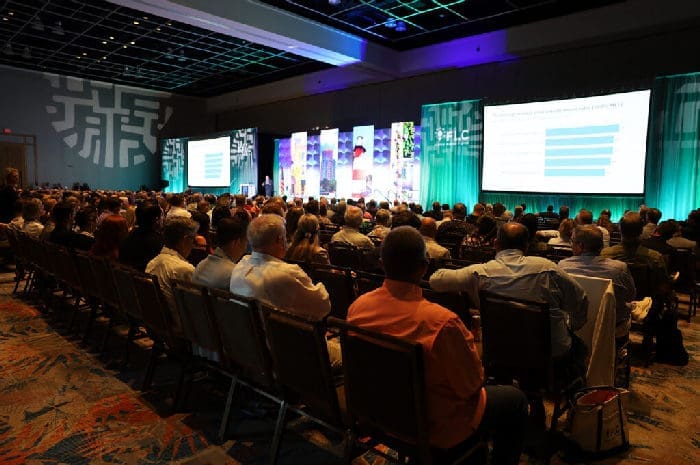
TY: Mayor, you and a few Councilmembers recently got back from the Florida League of Cities conference in Hollywood, Florida. For readers who’ve never been to one of these, what happens over three days with 2,000+ municipal officials in one building?
BW: Picture a family reunion where every cousin runs a city. Mornings are workshops on the nuts and bolts, like disaster planning with the Florida Division of Emergency Management, AI in City Hall, and social media. Afternoons are the big sessions, and this year that meant a fireside chat with historian Doris Kearns Goodwin and a talk from Jefferson Fisher on how to have better conversations. We knock out our state required ethics training, and the League elects its officers. The best news for Destin is that the new FLC President is Shalimar Mayor Mark Franks, so for the next year the voice of Florida’s cities lives right here in Okaloosa County.
TY: Florida obviously has cities of all sizes. Does our close-knit coastal community give you a different perspective in the room, or did the challenges feel universal?
BW: That is one of the best parts of these events. You get to see how communities like Destin operate, how they solve problems, and how they create real benefits for their residents. The challenges are similar from city to city, so if another city has already solved something and has a working solution, we do not need to reinvent the wheel or spend taxpayer money figuring it out from scratch. We borrow what works, adapt it to Destin, and move faster because of it. The other thing you gather in that room is relationships, with other cities and with the state agencies that fund them, and that is a big reason Destin does so well with state grants. We understand what each department is trying to accomplish, so we know which of our projects fits their priorities and has the highest chance of being funded.
TY: One of the sessions on the agenda was about social media. I’m a little jealous I wasn’t there to learn if I should be doing anything different with our City social Facebook and Instagram accounts. Did I miss anything critical on how it could be improved?
BW: Social media is always a tricky tool. A lot of officials shy away from open dialogue. I prefer it. The session’s best line was that city social media is not measured by going viral, it is measured by building trust, and our pages already do that job when a storm is in the Gulf or a road is closed. The part I would add is that trust is not only built digitally. It is built face to face, which is why I hold a fireside chat every month. Come sit down, ask me anything, and let’s talk it through.
TY: You’ve spent the last few years navigating Destin’s own high-stakes issues — infrastructure issues, resiliency planning, and disputes like the one with the County and the City on how the new State-acquired land should be managed. Did any of the breakout sessions speak directly to what we’re dealing with here, or make you think about it differently?
BW: Not directly, but the League’s number one goal speaks to all of it. That goal is Home Rule. It means the government closest to the people should be the government that makes the rules and regulations that affect those people. The slogan is Local Voices Making Local Choices, and I believe it to my core. Whether the subject is our roads, our resiliency plan, or how land inside our city limits gets managed, the people who live here should be the ones making those calls.
TY: Conferences like this are often as much about the hallway conversations as the scheduled sessions. Was there a conversation with another mayor or other delegate that stuck with you and why?
BW: The conversations that stuck with me were about technology and transparency. Florida has some of the most open government laws in the country. Budgets, ordinances, and public documents are all available to anyone who wants them. The catch is that they can run thousands of pages and are cumbersome for anyone who is not a lawyer or an accountant. Open is not the same as understandable. I am very interested in using technology to summarize, and even gamify, City documents and data so that a resident can spend a small amount of time and truly understand what their government is doing.
TY: Florida cities are watching a lot of the same legislative fights play out regarding home rule authority, short-term rental regulation, insurance costs, and growth management. What came out of this conference that you think Destin residents should be paying attention to heading into the next legislative session?
BW: The same thing I would say any year. Pay less attention to the marketing ads and the paid players on any topic, and take the time to understand how a bill or a ballot measure will affect you personally. Everyone has an angle and an agenda. This November, you will hear a lot about Amendment 3 on property taxes, and it is a good example of why. Read what it does, look at what your City taxes actually pay for, and decide for yourself. I simply want people to be informed and to vote their conscience, whatever their final decision. That is how we repair and strengthen our democracy.
TY: If you had to bring back one idea of a policy, a program, or a way another city is solving a problem, that you would like to try to implement in Destin, what would it be?
BW: Making the City budget readable by everyone. I want a resident to be able to open a short, plain language summary, or a simple interactive tool, and see in a few minutes where every dollar comes from and where it goes. Other cities are starting to use technology to do exactly that, and there is no reason Destin should not be one of the first to get it right. If you can understand the budget, you can hold us accountable. That is the whole point.
TY: After three days of workshops and panels on the future of Florida’s cities, what’s your quick read on where Destin stands? Are we ahead of the curve, keeping pace, or playing catch-up?
BW: Ahead of the curve. We are repaving all of our roads, buying back our beaches, creating more parks, and completing our sidewalks. And we are doing all of it while carrying one of the lowest city tax rates among Florida’s 411 cities. A lot of that comes back to what these events give us. The knowledge and the connections we gather in Hollywood turn into grant dollars in Destin, like the walkway under the Marler Bridge that FDOT is funding, because we know the state’s priorities and we bring them projects that fit. I came home proud of this place and more convinced than ever that the way we do things works. We keep going.