












































By Kimberly C. Cole
Homeowners rarely intend to hire unlicensed or uninsured contractors. Often, it starts with a recommendation from a neighbor, a name shared at a gathering, or someone familiar with local projects. The price seems reasonable, the process feels informal, and the timeline promises efficiency—until something goes wrong.
Construction projects, especially those involving structural elements, utilities, or waterfront improvements, come with significant risks. When issues arise, many homeowners are surprised at how much responsibility can fall back on them. Understanding contractor licensing and insurance isn’t about being overly cautious; it’s about protecting your home, investment, and peace of mind.
Licensing: Accountability and Protection
A licensed contractor meets state requirements to legally perform construction work—typically passing exams, demonstrating financial responsibility, complying with codes, and pulling necessary permits. Licensing creates accountability: if a licensed contractor violates building codes or cuts corners, a regulatory body can intervene. There’s no such oversight with unlicensed work.
Many routine projects—such as structural repairs, electrical work, plumbing, HVAC installation, roofing, major renovations, dock or seawall work—require a licensed contractor. Even straightforward jobs may trigger permitting and inspection requirements if they impact safety or infrastructure.
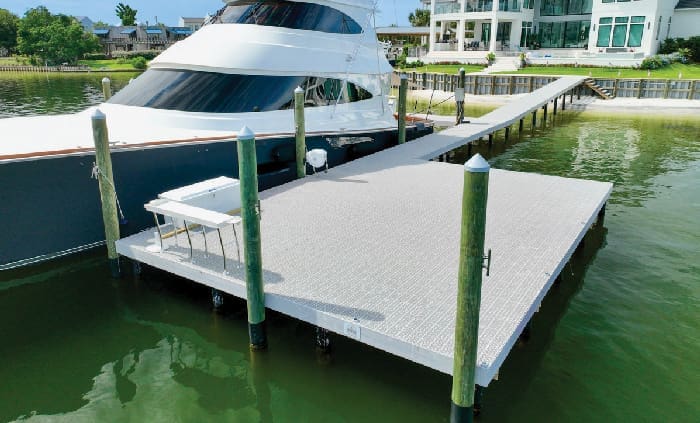
Homeowners should feel comfortable requesting a contractor’s license number, which can be independently verified. In Florida, for example, the DBPR license portal allows users to review a contractor’s status, classification, and disciplinary history. It’s also important to confirm who will pull permits; a properly licensed contractor does this in their own name, not the homeowner’s. Licensing is more than a formality—it proves the contractor is qualified, accountable, and legally authorized to protect your home.
Not all services need a specialty construction license. Routine tree trimming, landscaping, pressure washing, pool cleaning, and general maintenance usually do not. However, even if licensing isn’t required, any provider should offer a current certificate of insurance and, if employing workers, proof of workers’ compensation or a valid exemption. Verifying insurance is smart, even for basic services.
In Florida, hiring an unlicensed contractor for work requiring a license carries a major risk: the contract may be legally unenforceable. State courts have repeatedly held that such contracts are void, meaning the contractor generally cannot sue for unpaid fees or enforce payment provisions, even if the homeowner agreed to the terms. This law protects the public by discouraging unlicensed work and ensuring only qualified professionals handle critical projects.
If a dispute with an unlicensed contractor arises, homeowners may find themselves unable to enforce contract terms like completion deadlines, warranty obligations, payment schedules, or fixes for defective work. The law intends to discourage unlicensed activity but often leaves homeowners with fewer legal remedies when problems occur. Verifying licensure before work begins ensures the contract is valid and enforceable, giving homeowners clear legal protection if the work is delayed, substandard, or abandoned.
Insurance: Essential Safeguards
Insurance is just as critical as proper licensing—and in many ways, it is the homeowner’s last line of protection when something goes wrong. An insured contractor carries coverage designed to protect you, not just their business. If a worker is injured on your property, a neighboring home is damaged, or something fails after installation, insurance helps cover those costs and prevents the financial burden from falling back on the homeowner.
When a contractor is uninsured or underinsured, the risk shifts dramatically. Homeowners can be held personally responsible for injuries, property damage, or code-related issues, even if they had no direct involvement in the work. In some cases, a homeowner’s own insurance policy may deny coverage if the contractor lacked proper insurance, leaving the homeowner exposed to lawsuits, medical claims, or repair costs that far exceed the original project price.
Before any work begins, homeowners should always request proof of insurance. Reputable contractors expect this request and provide it readily. At a minimum, homeowners should look for an active general liability policy, and when workers are present, workers’ compensation coverage. Review the certificate carefully: confirm the policy is current, the coverage limits are appropriate for the scope of the project, and the business name exactly matches the contractor listed on the contract and any permit applications.
Taking a few minutes to verify insurance is not an inconvenience—it’s a smart safeguard. Proper insurance helps ensure that if something unexpected happens, the financial and legal consequences do not land on the homeowner.
Choosing a licensed and insured contractor isn’t about spending more—it’s about protecting your home and your investment. Proper licensing and insurance help ensure the work can be permitted, inspected, insured, and defended if problems arise later. Spending a few minutes up front to verify credentials can prevent costly mistakes, unexpected liability, and long-term frustration. When you hire professionals who meet these standards, you’re not just getting the job done—you’re safeguarding your property, your financial security, and your peace of mind by doing it right the first time.
Call Compass Marine Group at (850) 797-8428.